The emergency is the wrong time to start
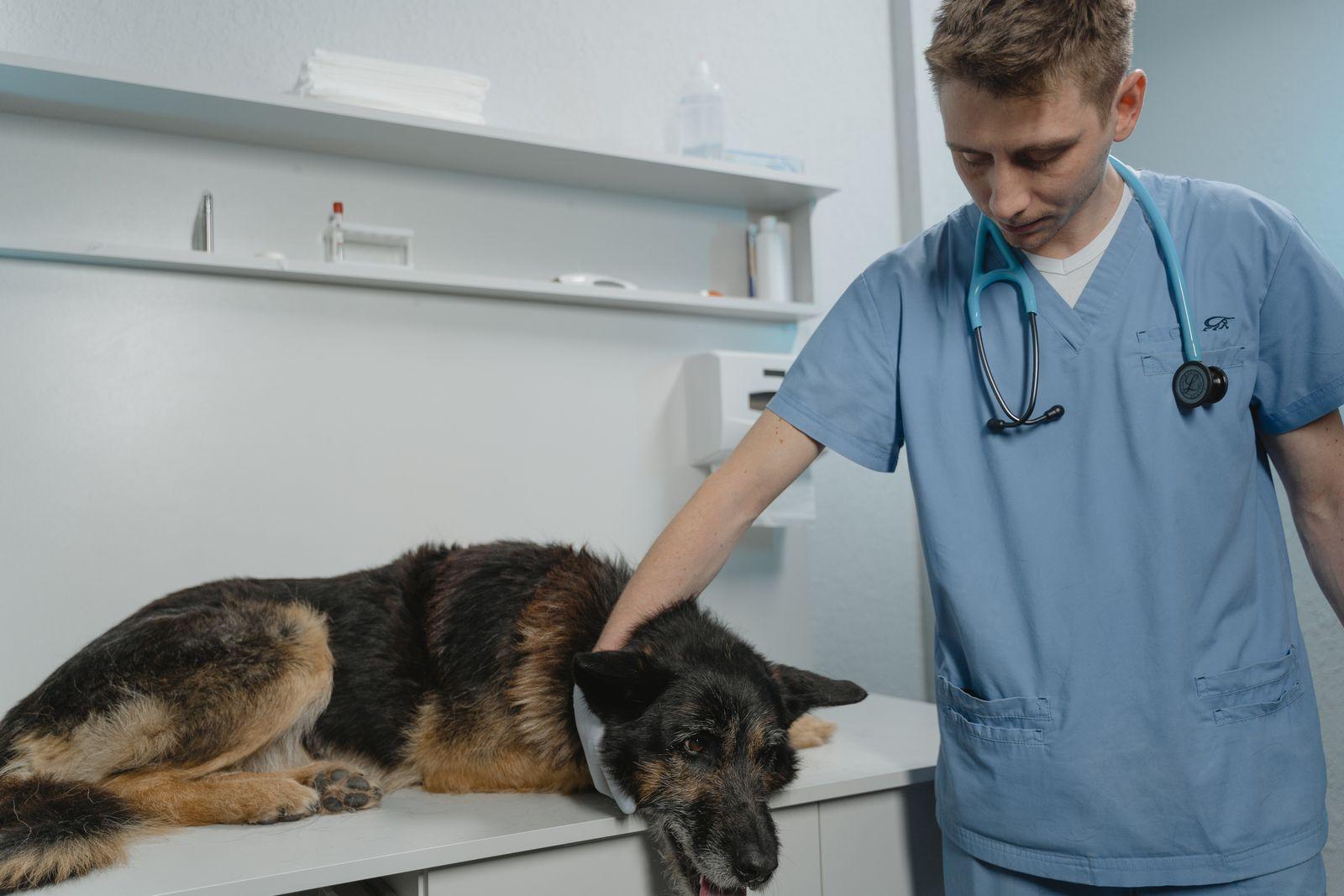
Most dogs meet restraint for the first time when something is already wrong — they are in pain, in an unfamiliar room, being held by a stranger. It is an unreasonable thing to ask of an animal that has never practised it.
Cooperative care flips that. Handling becomes a rehearsed, well-paid, everyday game, so the real thing is merely familiar rather than frightening.
Build a start button
Teach the dog a position that means 'I am ready' — a chin rest in your palm is the usual choice. While the chin is down, the procedure happens. When the chin lifts, everything stops, immediately and every time.
That reliability is the whole point. A dog that has learned it can pause the process almost always chooses to keep going, because it is no longer defending itself against something it cannot control.
Muzzle training is not an admission of anything
Every dog should be comfortable in a basket muzzle. A dog in pain may bite, and the moment to teach this is not on the way to the emergency clinic. Conditioned properly it is a piece of equipment the dog is pleased to see, like a harness or a lead.
This is general guidance, not veterinary advice. If your dog is showing fear, aggression, or a sudden change in behaviour, speak to your vet before starting a training plan.