Stop letting the dog rehearse ignoring you
Every time you call a dog that does not come back, you have trained something — just not what you wanted. A cue that has been ignored fifty times is no longer a cue; it is background noise with your voice attached.
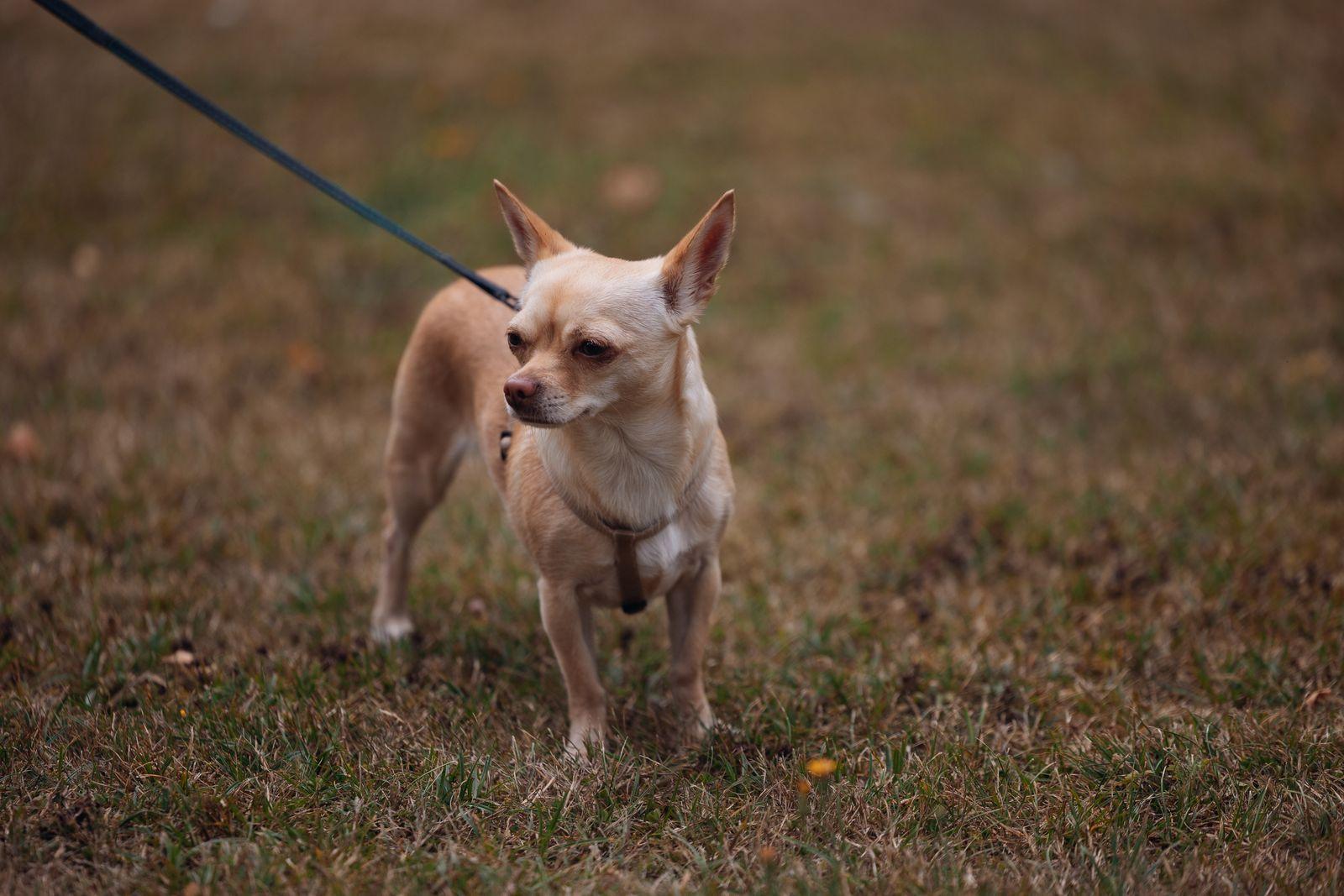
This is the entire argument for the long line. Thirty feet of biothane means the dog gets real freedom, and it means the recall cue is never once followed by nothing happening.
Pick a word and protect it
Choose a word you have not already burned. Not the dog's name — the name has been shouted across a park too many times. Something distinct that you will only ever use for this.
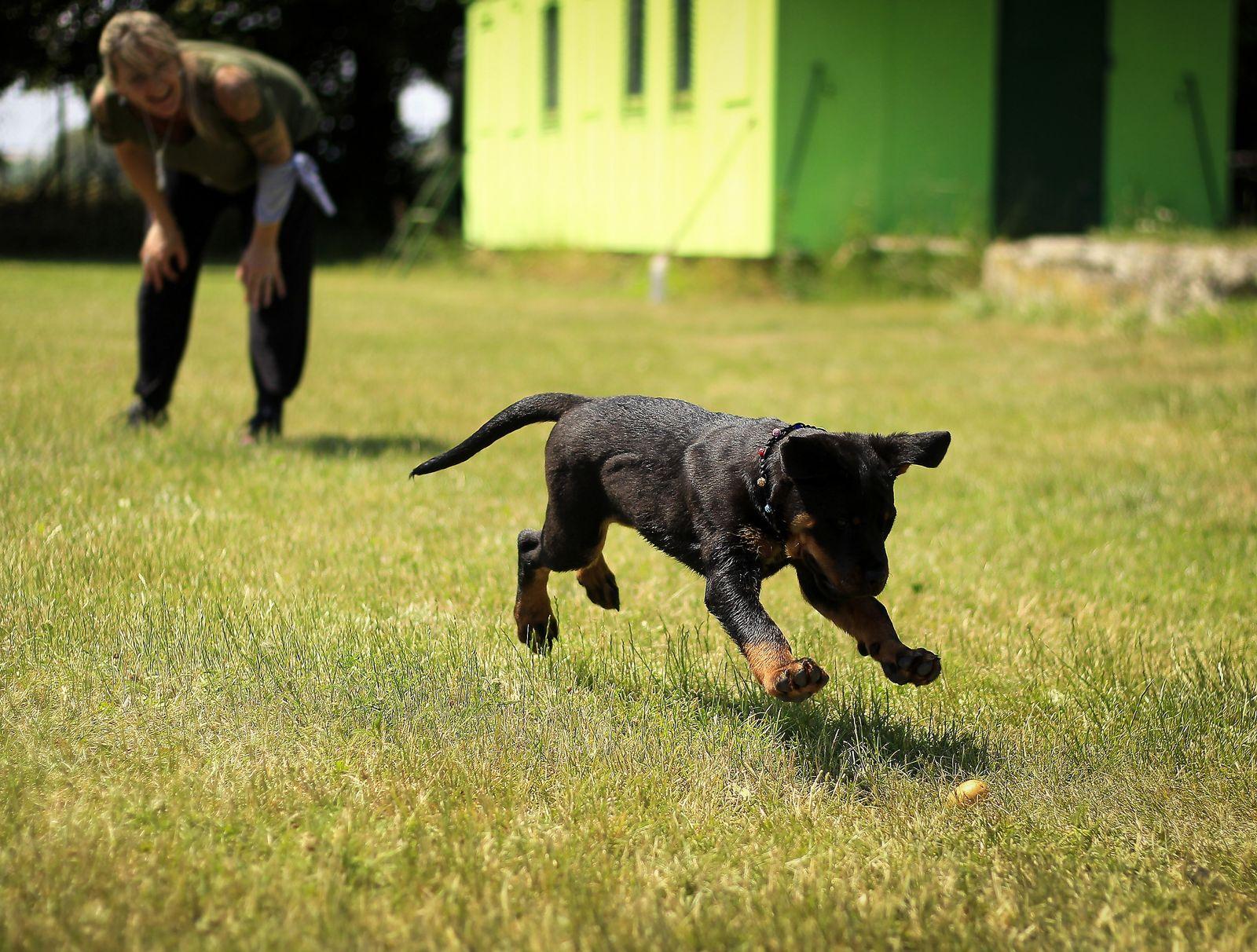
The rule for the first three months is simple: that word is only ever used when you are certain the dog will come, and it is always followed by something genuinely worth returning for. Not a pat. Food the dog does not otherwise get, or the toy it loves most, delivered with enthusiasm.
Proof it in the order that matters
Distance, then duration, then distraction — and only one at a time. A dog that recalls from thirty feet in your kitchen has not learned to recall from ten feet in a field with a rabbit in it. Those are different behaviours as far as the dog is concerned.
Work through locations deliberately: house, garden, quiet field on a line, busier field on a line, quiet field off the line. Any failure means you moved up a step too early, not that the dog is being difficult.
Never punish the return
If the dog comes back after ignoring you for five minutes, it still gets paid. The behaviour you are reinforcing is the coming back, not the five minutes. Owners who tell a dog off on arrival reliably build a dog that returns more slowly, and then more slowly still.
Equally: do not call the dog only when the fun is ending. If the recall predicts the lead going on and going home every time, the dog learns exactly what the word means. Call, pay, release again — most of the time.
This is general guidance, not veterinary advice. If your dog is showing fear, aggression, or a sudden change in behaviour, speak to your vet before starting a training plan.