What the window actually is
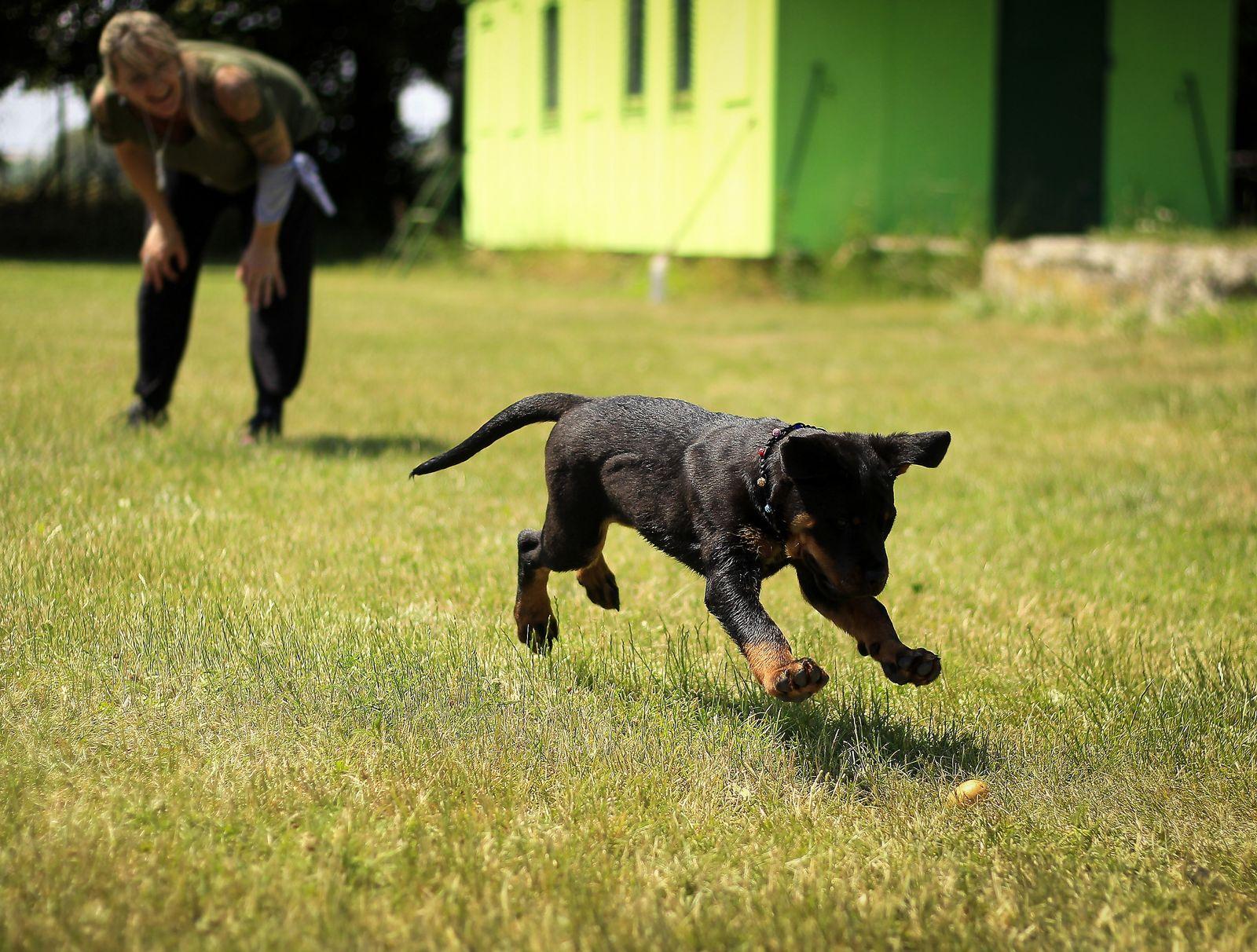
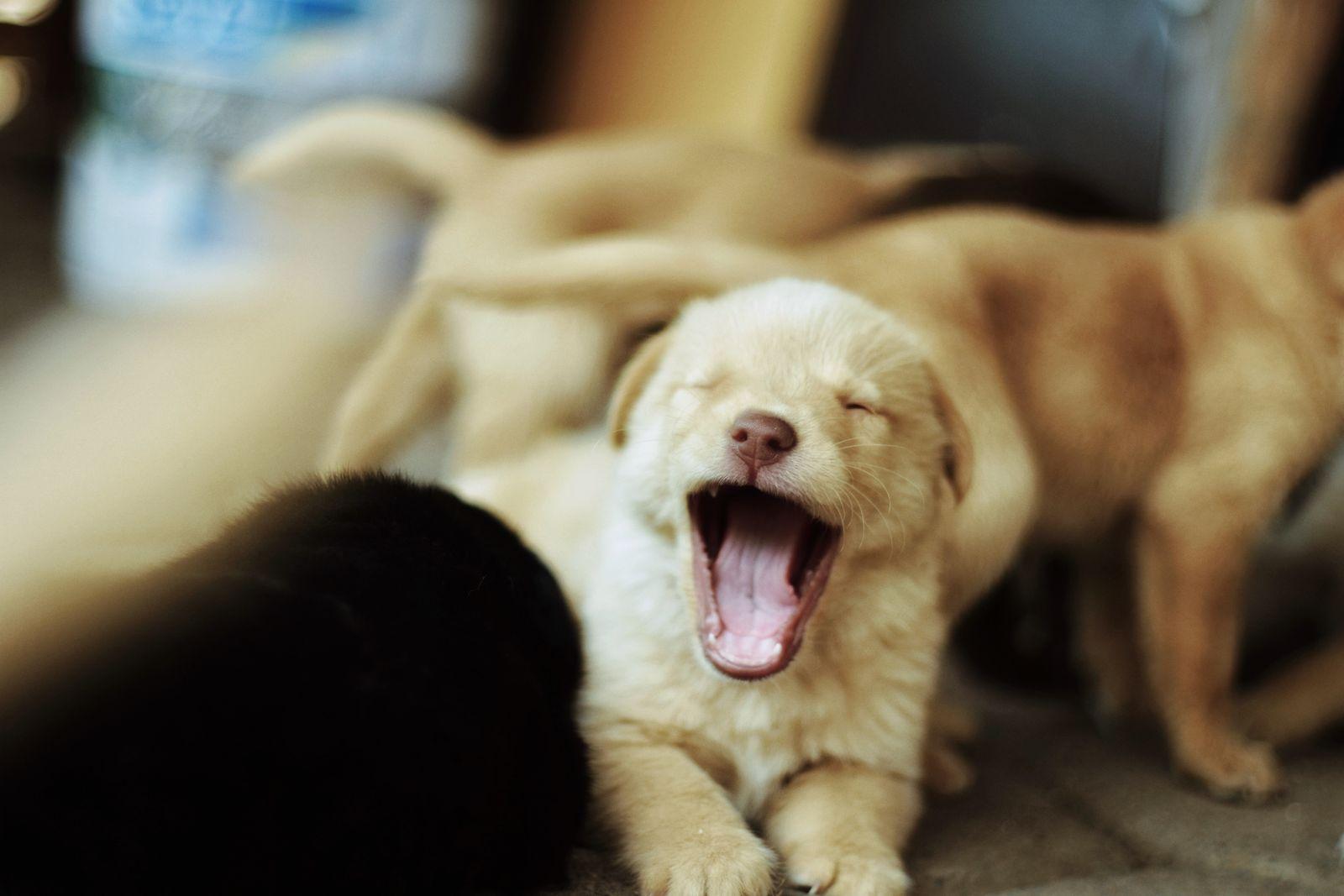
Puppies pass through a period early in life when novelty is processed as information rather than as threat. What a puppy meets calmly in that stretch tends to stay unremarkable for life. What it misses entirely, or meets badly, often has to be worked on for years afterwards.
The practical consequence is uncomfortable: the most important training you will ever do happens before most owners think training has started, and it does not look like training at all.
Aim for neutral, not thrilled
The common mistake is treating socialisation as a numbers game — how many dogs, how many people, how many hands on the puppy. That produces a dog that expects to greet everything it sees, which becomes a real problem the moment it weighs forty kilos and is on a lead.
The better target is neutrality. The puppy notices the skateboard, the wheelchair, the man in the high-vis jacket, and then carries on with what it was doing. You get there by working at a distance the puppy can handle and paying attention to calm observation rather than engineering an interaction.
A workable weekly rhythm
Two or three short outings a week, each with one clear goal, beats a daily scramble. Sit on a bench near a school gate. Stand at the edge of a car park. Visit the vet's waiting room, get paid, and leave without seeing anyone.
Watch the puppy, not the checklist. A puppy that has gone still, stopped taking food, or is trying to get behind you is over threshold and is not learning what you hoped. Increase the distance and try again another day.
Handling counts too
Feet, ears, mouth, tail, collar hold. Each one, a few seconds, paid generously, every day. A dog that has practised being handled since eight weeks is a dog your vet can actually treat in an emergency — and that is worth more than any obedience title.
This is general guidance, not veterinary advice. If your dog is showing fear, aggression, or a sudden change in behaviour, speak to your vet before starting a training plan.