Trade the mouth, don't fight it
A retriever carries things. Give it a legal object to hold at greetings and doorways and the jumping, nipping, and sleeve-grabbing tend to resolve on their own.
Free US shipping over $75
Sporting Group
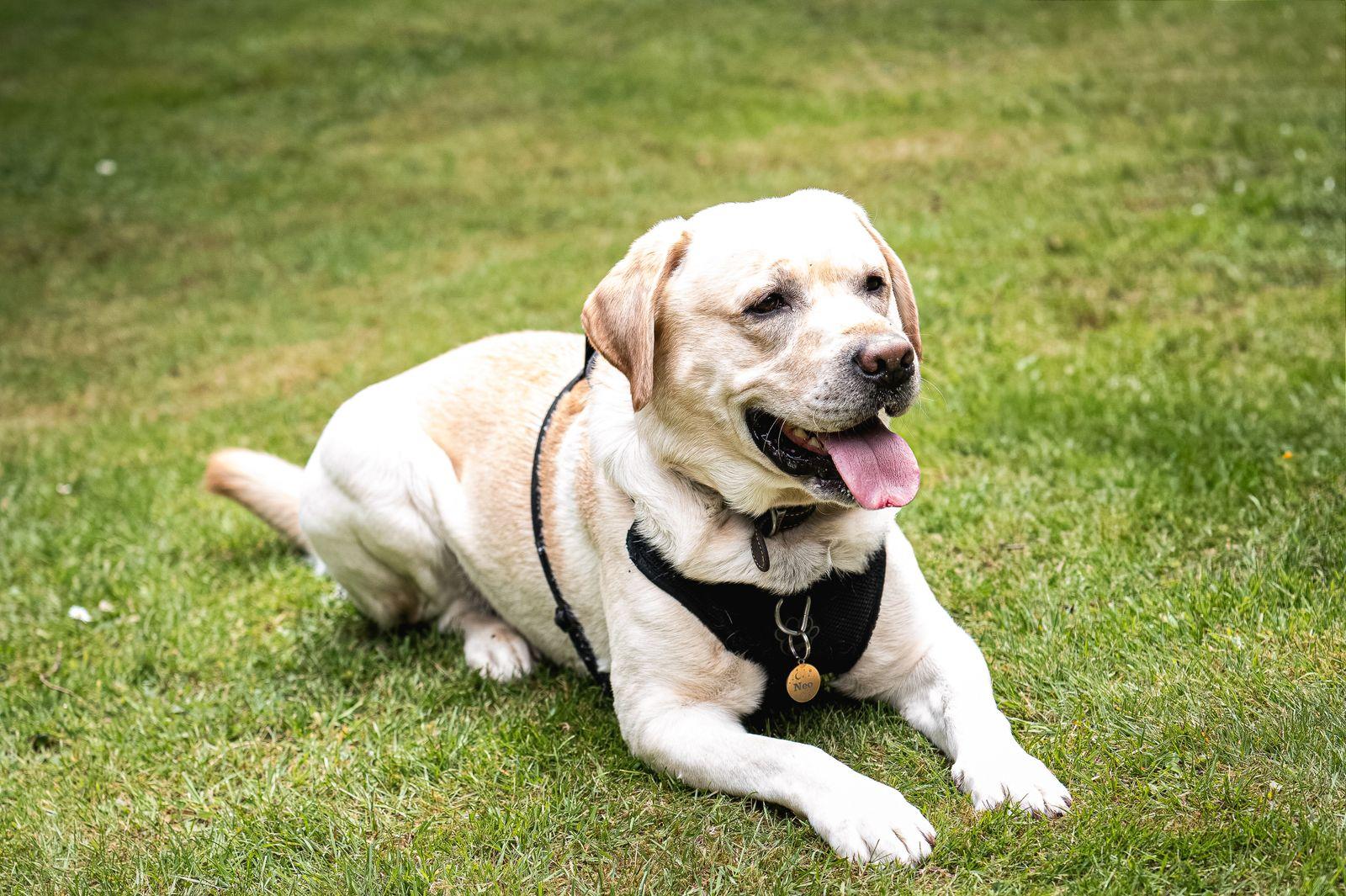
The Labrador learns fast and forgives clumsy handling, which is why it is so often a first dog. The trade-off is a long adolescence: a Lab is physically adult months before it is mentally adult, and that gap is where most owners lose the thread.
What to work on first
A retriever carries things. Give it a legal object to hold at greetings and doorways and the jumping, nipping, and sleeve-grabbing tend to resolve on their own.
Labs are the most food-motivated breed most owners will ever handle. Pay for a settled down-stay near the table before you teach a single party trick, or you build a counter-surfer.
Hold off on repetitive high-impact work — long runs on pavement, forced fetch on hard surfaces — until growth plates close. Swimming and scent work carry the same load with none of the wear.
Where it usually goes wrong
Behaviour that involves biting, real fear, or a sudden change in an adult dog is not a training problem until a vet has ruled out a medical one.
Read next
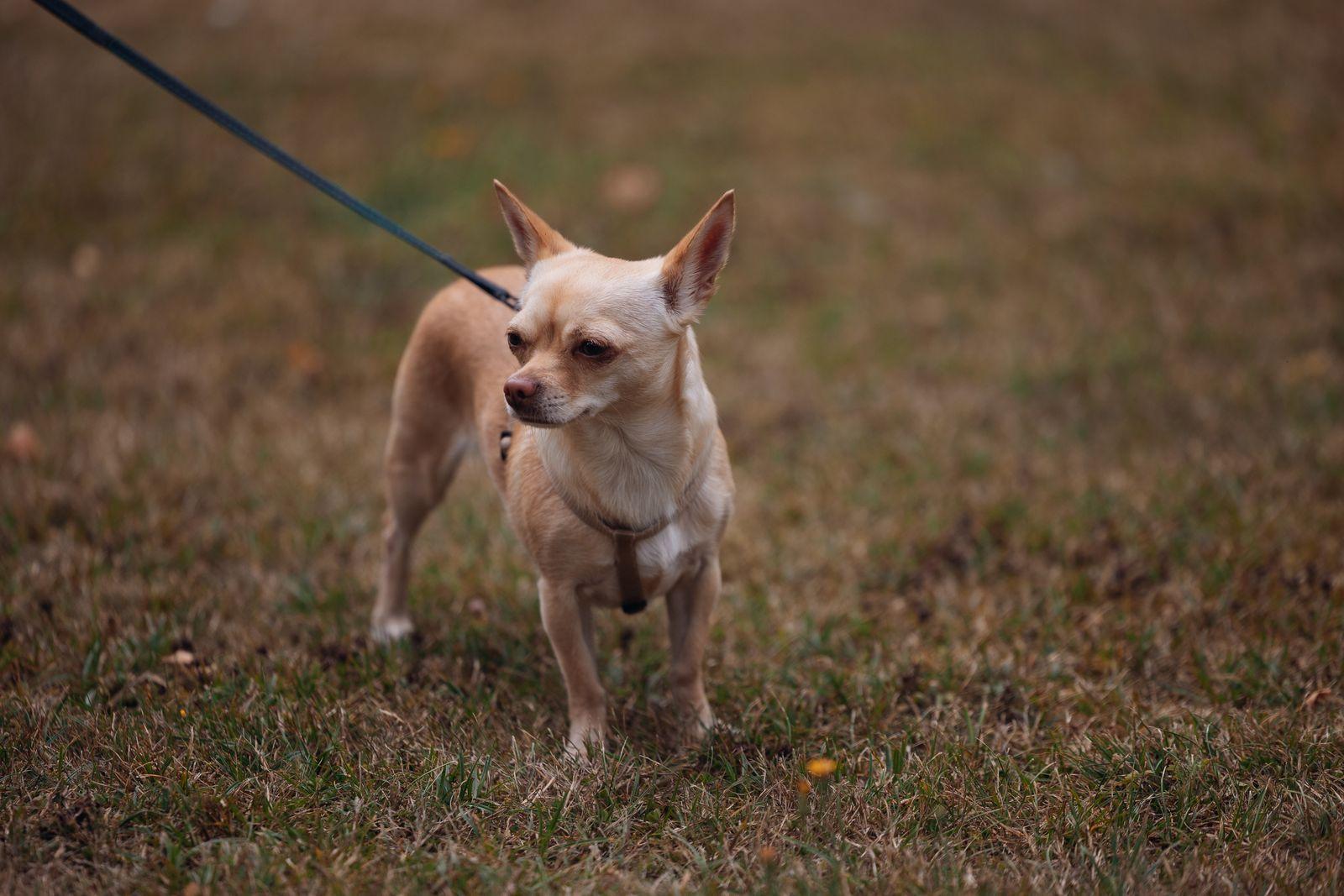
Pulling is not dominance and it is not stubbornness. It is a dog that has learned pulling works.
7 min read
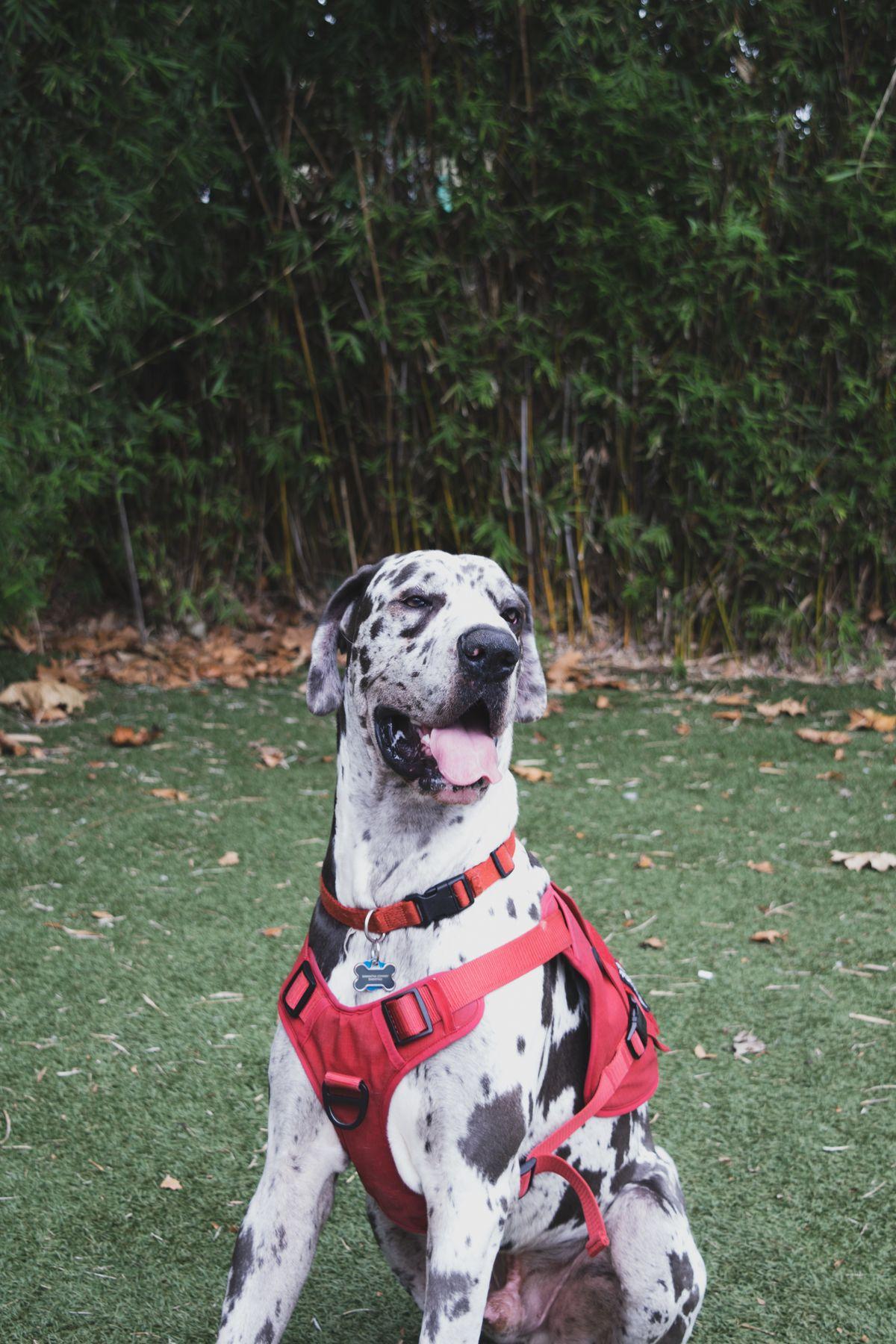
Between roughly six and eighteen months, a well-trained dog will appear to lose the plot. It is normal, it is temporary, and how you handle it matters.
8 min read
Recommended equipment
Chosen against the training plan above, not against a supplier's bestseller list.
Also in the Sporting group