What is going on
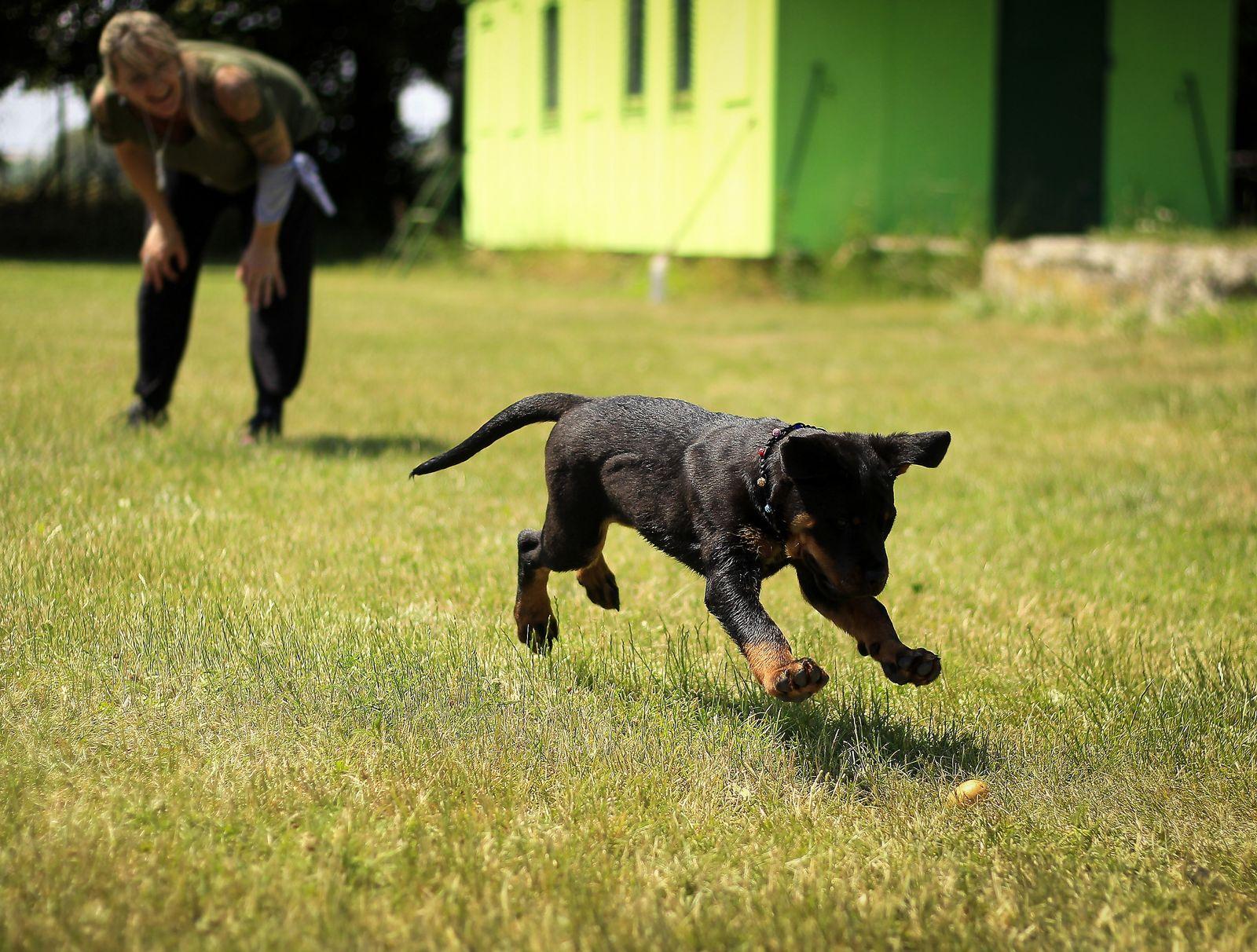
Adolescent dogs undergo real changes in how they respond to novelty, risk, and their own handler. Recall degrades. Previously ignored things become fascinating or alarming. A dog that was bombproof at five months may spook at a wheelie bin at nine.
This is a developmental stage, not a training failure and not a personality reveal. It is also the point at which a large share of dogs are given up, which is worth knowing in advance.
Go back to management
Put the long line back on. Reintroduce the baby gates. Stop giving freedom that the dog is currently unable to handle, without treating it as a punishment.
The goal through this period is simply to prevent bad habits being rehearsed until the dog comes out the other side. You are holding ground, not making progress, and that is the correct ambition for a few months.
Do not get into a fight
Escalating corrections during adolescence damages a relationship you will need for the next decade. A dog that finds its handler unpredictable during this stage tends to become a dog that checks in less as an adult.
Keep sessions short, keep the rate of reinforcement high, and lower your criteria. Ask for less, pay more, and wait it out.
This is general guidance, not veterinary advice. If your dog is showing fear, aggression, or a sudden change in behaviour, speak to your vet before starting a training plan.